
Start with Your Material.
Find your waste stream. Explore typical materials and discuss the right mobile shredding setup with our technical team.
 01
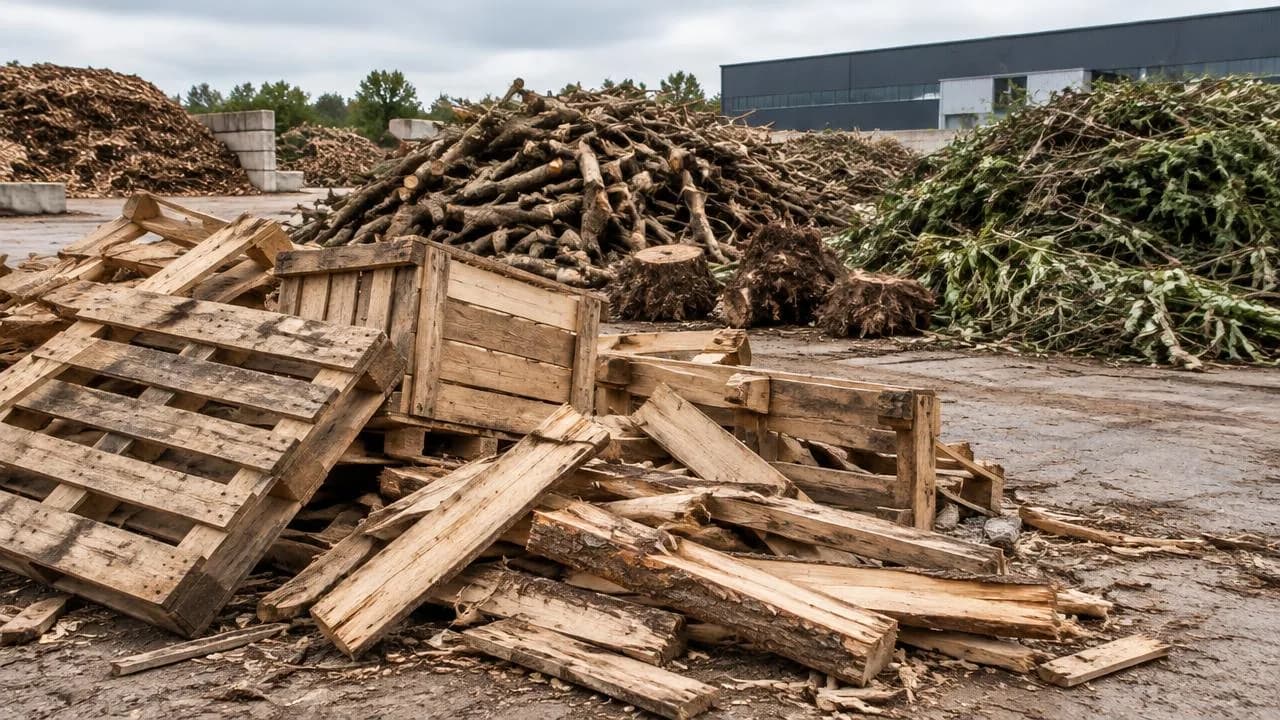
Wood & Green Waste
Prepare waste wood and green material close to the collection or recovery site.
Typical materials
- Wooden pallets and packaging crates
- Demolition timber and formwork
- Wooden furniture and boards
- Branches and garden trimmings
- Tree roots and stumps
- Agricultural and forestry residues
Where it fits
Wood recycling yards, green waste collection sites and biomass preparation projects.
Processing value
Reduce material volume for handling and transport, and prepare suitable feedstock for wood recovery, composting or fuel production.
Plan the process
Feed size, moisture, soil, stones and metal fittings affect the configuration. Roots, stumps and treated wood require specific assessment.
 02
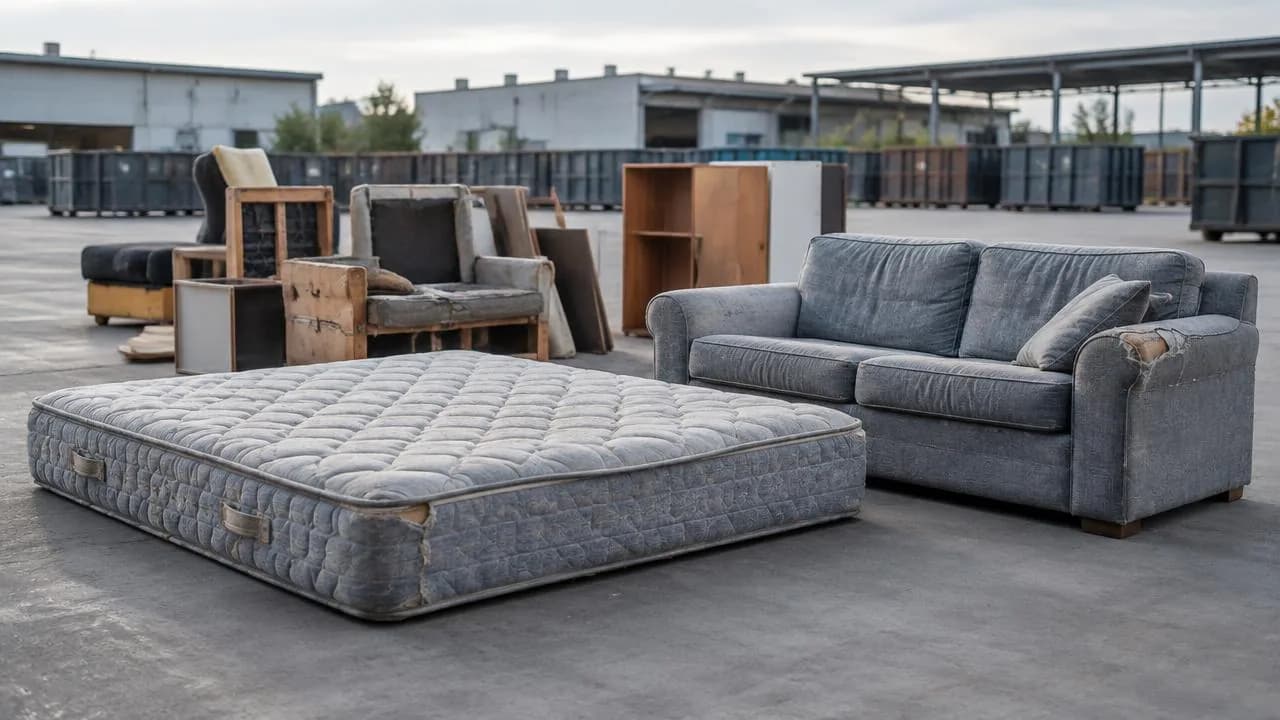
Bulky Waste
Turn difficult shapes into material that is easier to move and separate.
Typical materials
- Mattresses
- Sofas and upholstered furniture
- Mixed-material furniture
- Mixed bulky waste
Where it fits
Bulky waste collection points, recycling centers and pretreatment before energy or material recovery.
Processing value
Size reduction makes oversized items easier to handle and prepares mixed components for separation. On-site processing can reduce the space occupied by bulky loads.
Plan the process
Springs, upholstery, metal fittings and container residues affect equipment selection and downstream separation.
 03
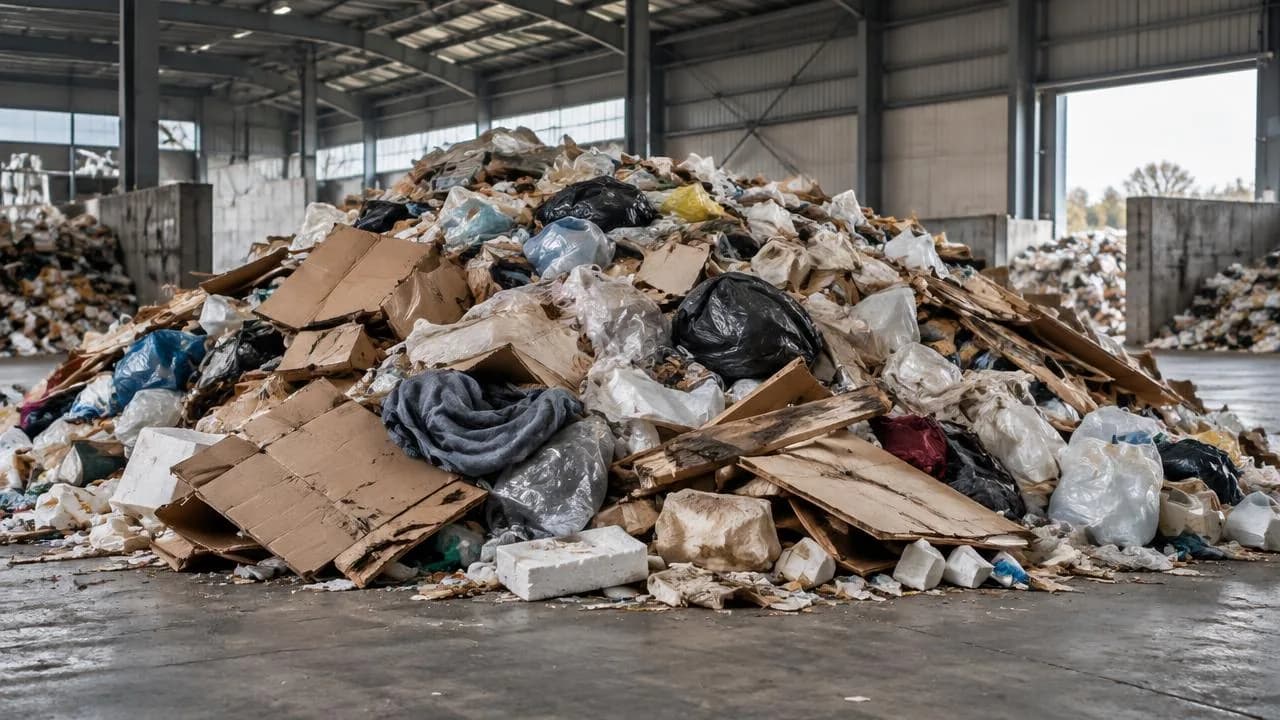
Mixed Waste
Prepare municipal, commercial and industrial mixed waste for further treatment.
Typical materials
- Mixed household waste
- Mixed commercial waste
- Mixed industrial waste
- Sorting residues
Where it fits
Transfer stations, waste sorting facilities and pretreatment for waste-to-energy or waste-derived fuel production.
Processing value
Reduce oversized fractions and prepare mixed streams for sorting, transport or further treatment. Mobile equipment can serve changing processing locations.
Plan the process
Waste composition, moisture and contaminants determine the process. Identify batteries, pressurized containers and regulated waste before equipment selection.
 04
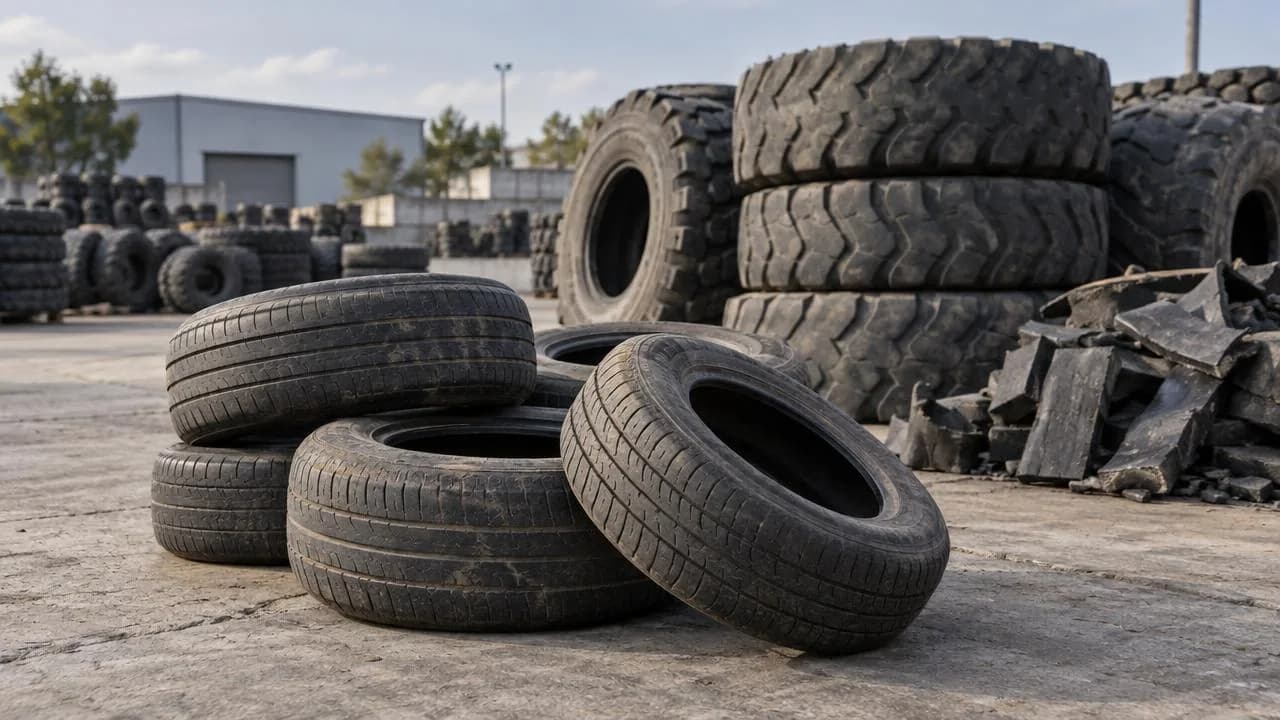
Tires & Rubber
Prepare end-of-life tires and rubber waste for downstream recovery.
Typical materials
- Passenger car tires
- Truck and bus tires
- Off-the-road tires
- Rubber products and production offcuts
Where it fits
Tire collection facilities, tire recycling plants and rubber recovery projects.
Processing value
Reduce tire volume and prepare feedstock for steel separation and further rubber processing.
Plan the process
Tire dimensions, bead wire and the required output determine the equipment and any pre-cutting needed. Large off-the-road tires require individual assessment; shredding alone does not produce finished rubber granules.
 05
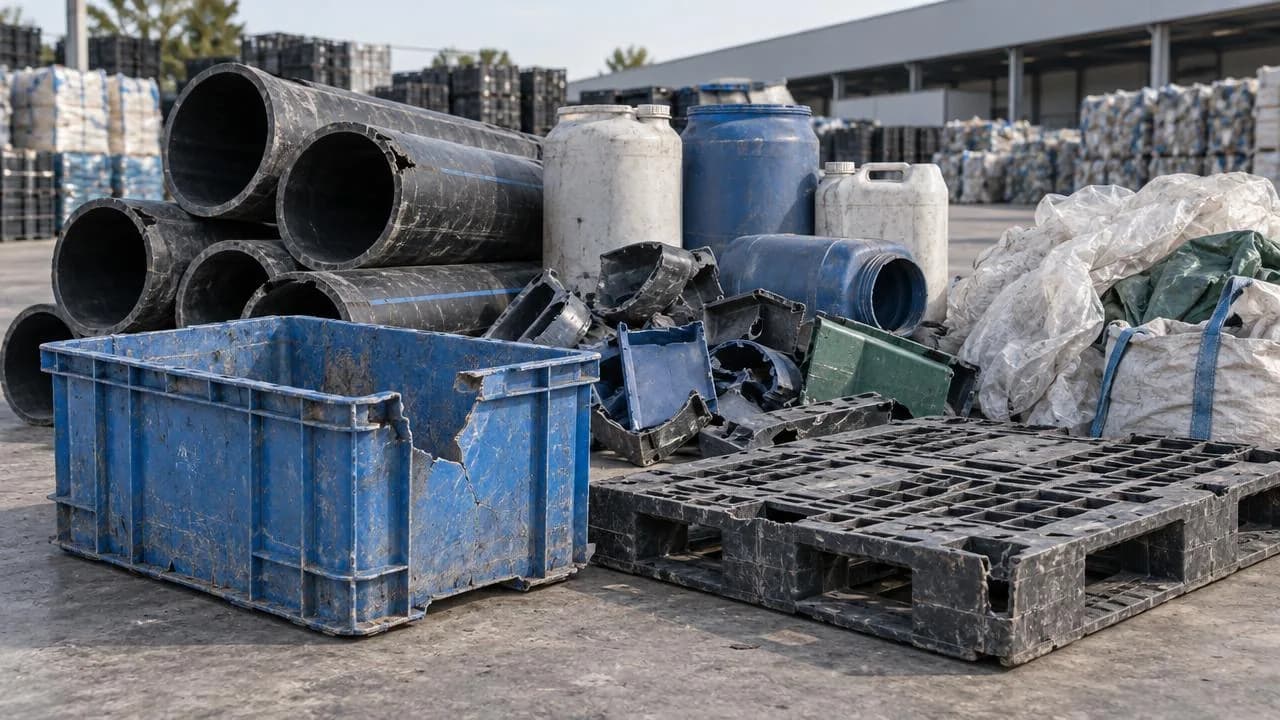
Plastics
Match size reduction to rigid, flexible and oversized plastic feedstock.
Typical materials
- Rigid plastics and containers
- Plastic films and woven bags
- Plastic pipes and profiles
- Plastic pallets and handling crates
- Plastic production scrap
Where it fits
Plastic recycling facilities, packaging recovery operations and production scrap processing.
Processing value
Prepare bulky plastic items and production waste for further sorting, washing or size reduction.
Plan the process
Polymer type, wall thickness, flexibility and contamination affect cutting performance. Films and woven materials need particular attention to wrapping; confirm container contents and residues before processing.
 06
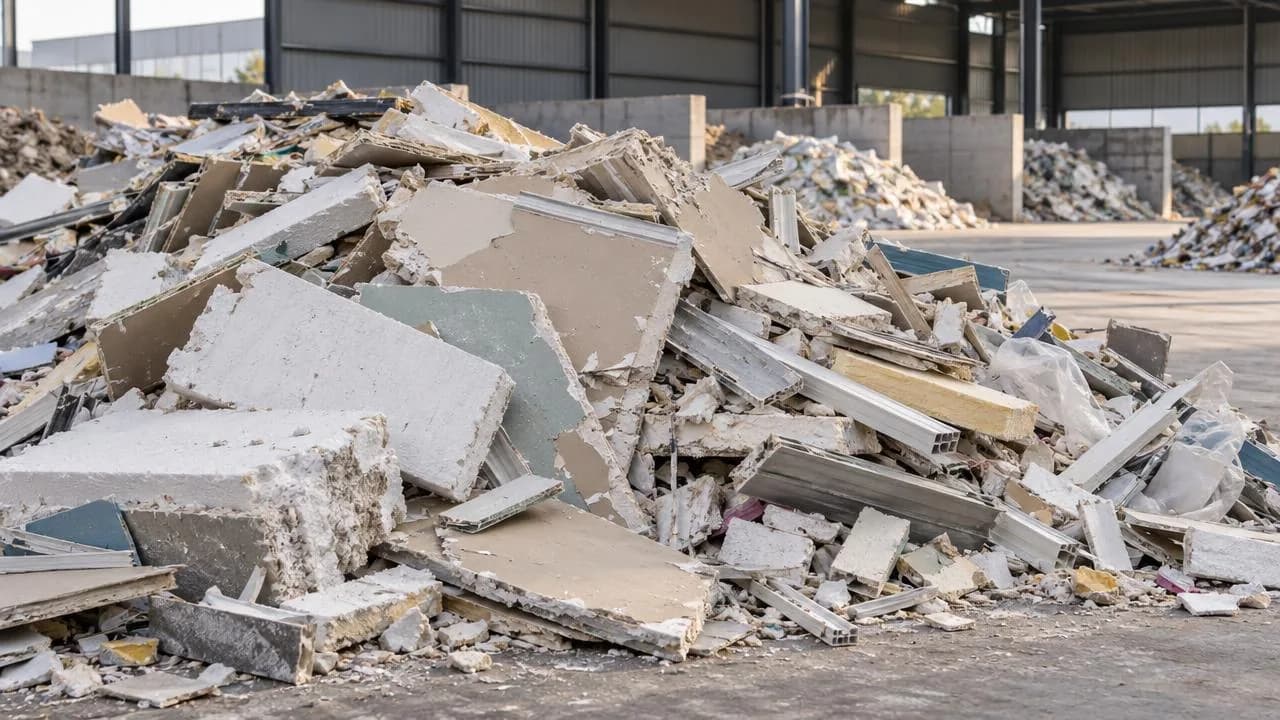
Construction & Renovation Waste
Process suitable light fractions close to the construction or sorting site.
Typical materials
- Mixed renovation waste
- Light fractions from demolition sorting
- Insulation and foam waste
- Lightweight boards and partition waste
Where it fits
Renovation waste sorting centers, construction sites and demolition projects.
Processing value
Bring size reduction to the project and prepare recoverable light fractions for sorting. Processing near the source can reduce the volume of material transported off site.
Plan the process
Concrete, brick and stone processing requires a specifically suitable machine and configuration. Identify asbestos and other hazardous contaminants before planning treatment.
 07
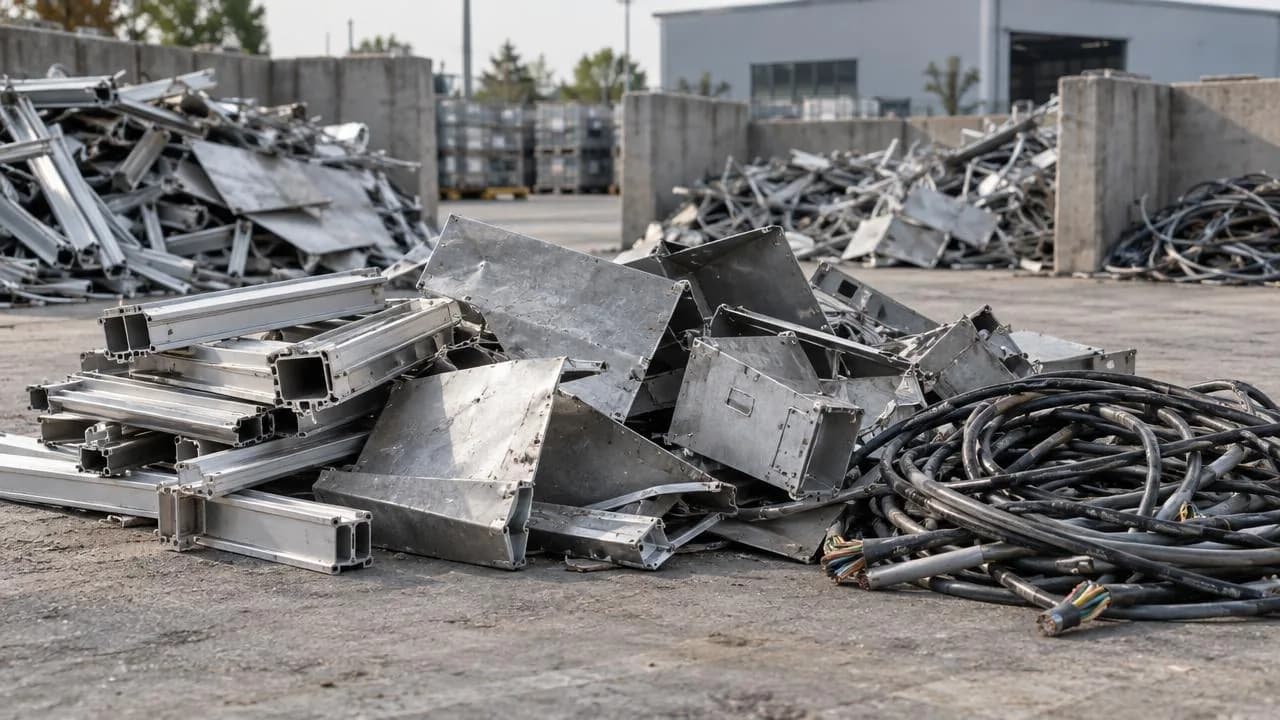
Light Scrap & Cables
Explore primary size reduction and liberation for suitable light metal and cable streams.
Typical materials
- Light-gauge steel scrap
- Aluminum profiles and thin-walled aluminum
- Metal housings from dismantled appliances
- Waste wires and cables
Where it fits
Light scrap recycling, dismantling operations and cable recovery facilities.
Processing value
Prepare suitable scrap for handling and downstream separation. Cable processing can help liberate material before dedicated metal recovery stages.
Plan the process
Metal thickness, strength and feed geometry must match the machine. Appliances need appropriate dismantling and removal of hazardous components; cable recovery requires further separation.
 08
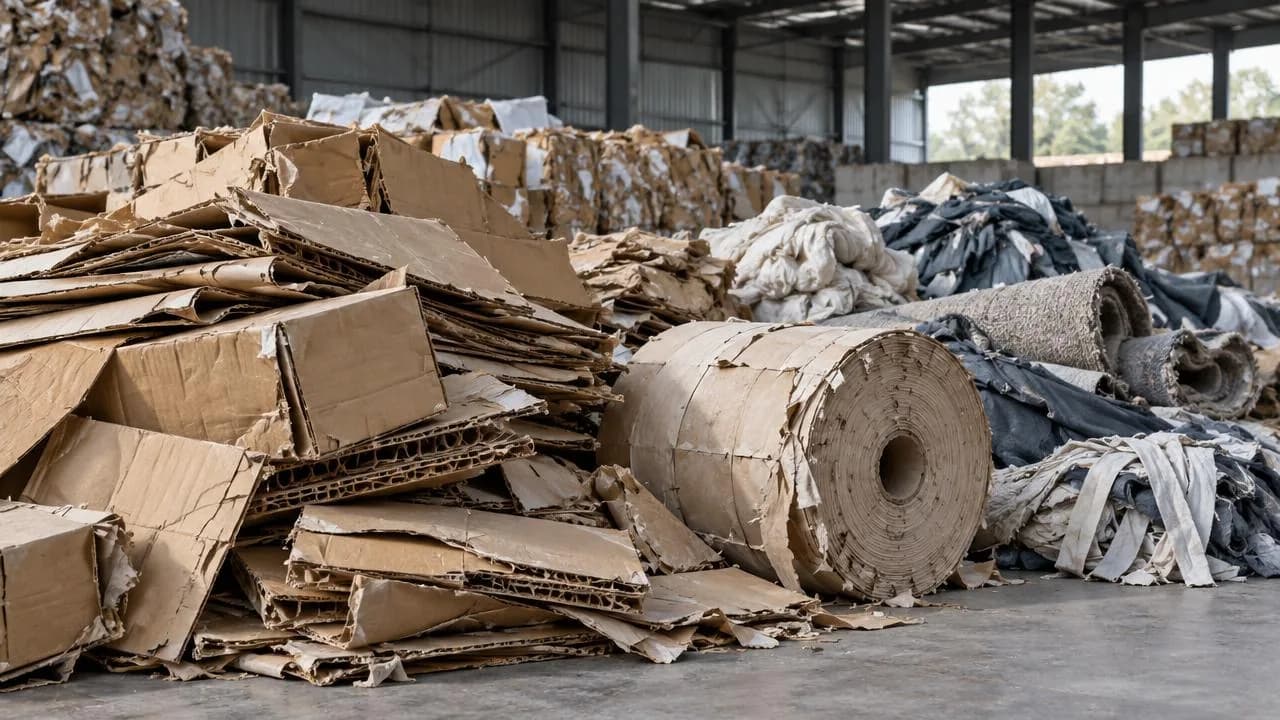
Paper & Fibrous Materials
Prepare bulky paper and fibrous waste for handling and further recovery.
Typical materials
- Waste paper and cardboard
- Paper rolls and bales
- Waste textiles and fabrics
- Carpets and fiber offcuts
- Leather offcuts
Where it fits
Paper recovery facilities, textile collection operations and production waste processing.
Processing value
Break down bulky items and prepare suitable paper or fiber streams for subsequent recycling or treatment.
Plan the process
Dense bales, long fibers and textiles may need different cutting configurations. Assess wrapping behavior, moisture, contaminants and dust control for the actual material.
Fuel Preparation & Specialist Applications
RDF / SRF preparation
RDF and SRF are fuel products made from suitable waste fractions. Shredding is one preparation stage alongside sorting, separation and, where needed, drying. The complete process must meet the intended fuel specifications.
Specialist material assessment
Wind turbine blades, fiber-reinforced composites, e-waste, photovoltaic modules, medical waste and hazardous packaging require individual engineering review. Contact our team to evaluate feasibility and any dismantling, containment or treatment requirements.